Panorama – February 2026
Panorama February 2026 edition is out now!
Here are the key insights from the report:
- India’s fiscal consolidation has largely been driven by a decline in expenditure (as a % of GDP), falling from a peak of 17.7% in FY21 to 13.6% in FY27 budget estimates (BE). The central government targets lowering the debt-to-GDP ratio to 50% ±1% by FY31, which would require a ~20 bps reduction in fiscal deficit annually.
- The total capital expenditure, including budgeted capex, revenue grants for capital asset creation, and capex by public sector undertakings, is targeted at a substantial Rs 22 tn in FY27BE, up 20% YoY. The government has also budgeted a significant increase in rural sector–oriented schemes. However, actual outlays under both may fall short of the budgeted estimates.
- The 16th Finance Commission has recommended significantly higher grants to rural and urban local bodies, with part of the funding tied to sanitation, solid waste, and water management projects.
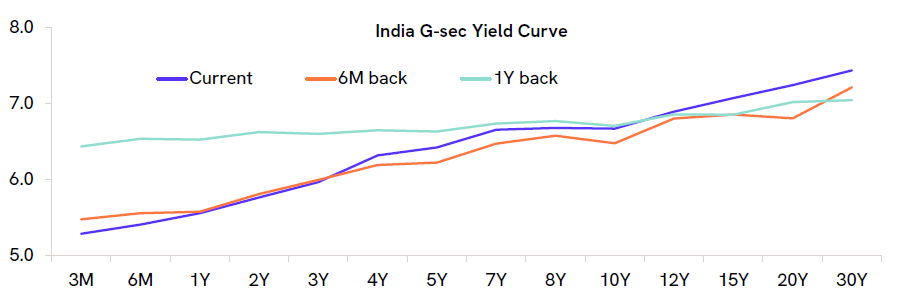
- The share of fiscal deficit funded through market borrowing has risen, leading to higher net dated borrowings. With elevated redemptions, gross borrowings increased to Rs 17.2 tn in FY27BE from Rs 14.6 tn in FY26, though Rs 1 tn of switch operations announced post-Budget may reduce the gross figure accordingly.
- Small savings collections have plateaued as taxpayers shift to the new income tax regime, which does not offer Section 80C benefits. Consequently, the share of small savings in deficit financing has decreased, and this trend is expected to continue as more taxpayers migrate to the new regime.
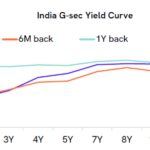
- The RBI has absorbed a significant supply of G-Secs over the past year through open market purchase auctions, while bank demand has remained muted. An increase in the credit-to-deposit ratio has reduced banks’ appetite for government securities.